
Separating Cotton and Polyester at Pilot Scale


Polycotton is the most widely used textile blend in the world, and for good reason. Polyester brings durability, wrinkle resistance and easy care, while cotton adds softness, breathability and moisture absorption. But the combination that makes polycotton so popular also makes it notoriously difficult to recycle.
Before either fibre can be recovered and reused in new textiles or other high-value applications, the cotton and polyester components must be separated; a step that has long been one of the main technical barriers to chemical textile recycling.
Within the PESCO-UP project, two complementary ideas are now being piloted, each demonstrating a different route to splitting blended cotton/polyester (CO/PES) waste into two clean, reusable material fractions: a chemical-mechanical separation process developed by Nordic Bioproducts Group (NBG), and the Biocelsol dissolution technology piloted by VTT.
The NBG pilot: from pharmaceutical cellulose to textile recycling
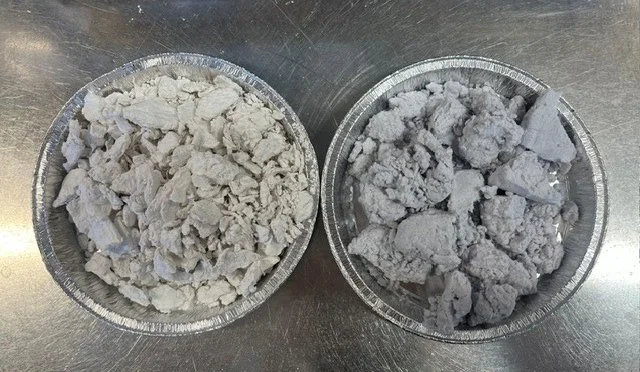
Figure 1: The separated polyester sample on the left and the cotton fraction on the right
While NBG already uses the patented Aaltocell technology to produce microcrystalline cellulose for the pharmaceutical and cosmetics industries, they realised that, with certain modifications, the same process could be applied to separating cotton and polyester in blended textiles.
The solution combines a chemical pre-treatment with a mechanical separation step. During the chemical treatment, the cotton (cellulose) component is selectively modified while the polyester remains largely unaffected. This difference in fibre properties then enables the two materials to be separated mechanically, with both fractions recovered for further processing and high-value reuse.
A key strength of the process is its robustness. It can handle a wide range of feedstocks, from post-industrial waste to post-consumer textiles, and copes with varying ratios of cellulosic and synthetic fibres. Testing has also shown that it tolerates small amounts of fibres other than cotton and polyester without compromising performance. Following extensive laboratory testing, two pilot-scale trials have now been conducted within PESCO-UP, with very promising results that confirm the effectiveness of the process and support its potential for scale-up.
The technology also relies largely on existing industrial equipment and well-established processing methods. This means scale-up and commercialisation can proceed more efficiently, and with lower technical risk, than solutions requiring entirely new infrastructure.
The VTT pilot: dissolving cotton, recovering polyester
The second pilot takes a different approach. Biocelsol, a novel technology developed by VTT, was chosen for PESCO-UP partly for its potential to reduce the global warming impact of regenerated fibre production. Rather than modifying the cotton and separating it mechanically, Biocelsol dissolves it (to be later used for fibre spinning).
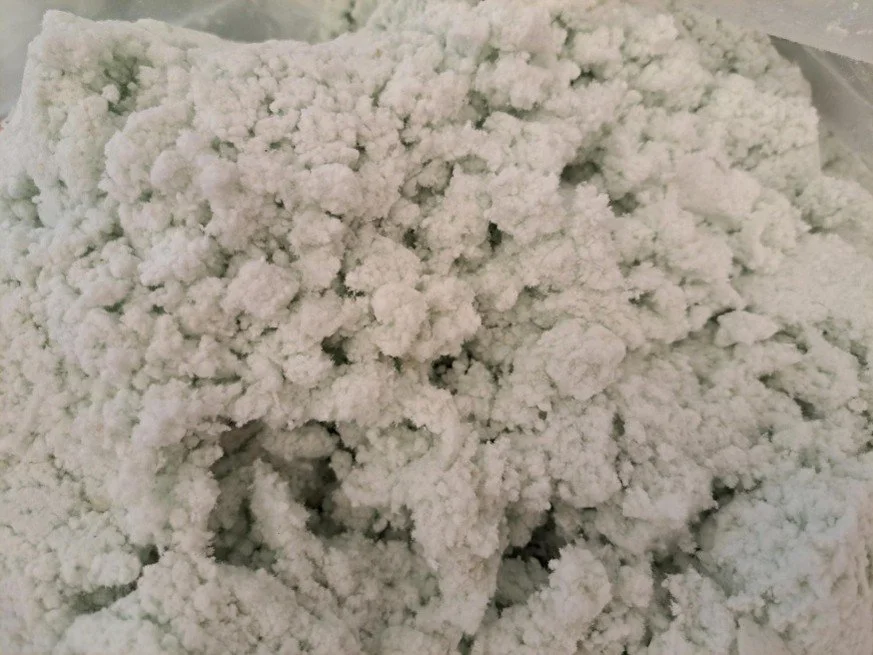
Figure 3 : Washed and post-purified PES from the first Biocelsol piloting
In the pilot, shredded, decolourised and dispersed CO/PES material (with a blend ratio of roughly 60% cotton to 40% polyester) was first treated enzymatically to activate the cotton and adjust its viscosity to a level suitable for dissolution. The cotton was then dissolved in cold alkaline conditions using sodium hydroxide and zinc oxide, while the polyester fibres remained undissolved.
The undissolved PES was separated from the cotton solution using a HiFlux separator. After that, PES was washed and post-purified achieving over 99% purity. The result was two distinct fractions from what started as a homogeneous textile mixture: cotton solution destined for fibre spinning, and a polyester fraction ready for further treatment.
PES separation and purification via Biocelsol technology have shown advantage on producing a high-purity PES fraction ready to be utilized as a raw material.
Next steps
Both pilots have proven their core concept, and both partners are now looking ahead.
For NBG, the technology was designed with scalability in mind from the outset, and its compatibility with existing industrial equipment keeps the path to scale-up comparatively low-risk. Two routes are currently under consideration: building and operating a demonstration plant to validate the technology at industrially relevant scale or licensing the process to established industry players who could accelerate implementation through their existing production assets and operational expertise. The final choice will depend on identifying the right strategic and financial partners to support market entry and long-term growth.
For the Biocelsol route, the focus is on refining the separation itself: achieving a higher polyester consistency in the reject stream and a cleaner dissolved cotton fraction in the accept stream, so that less cotton solution is retained within the polyester and washing stages can be streamlined. At industrial scale, more efficient separators could further enhance separation performance and reduce effluents.
Together, the two pilots show that the separation barrier at the heart of polycotton recycling can be overcome and through more than one route.
As PESCO-UP moves forward, both technologies bring the project a step closer to turning one of the world's most common textile waste streams into a reliable source of raw materials.
